
Plumbing software for the request, the repair and the record.
Keep the service request, agreed work and completed visit on one connected record. narra helps plumbing businesses manage customer details, proposals, technician instructions and invoices across the office, Field and customer portal.
Private pilot
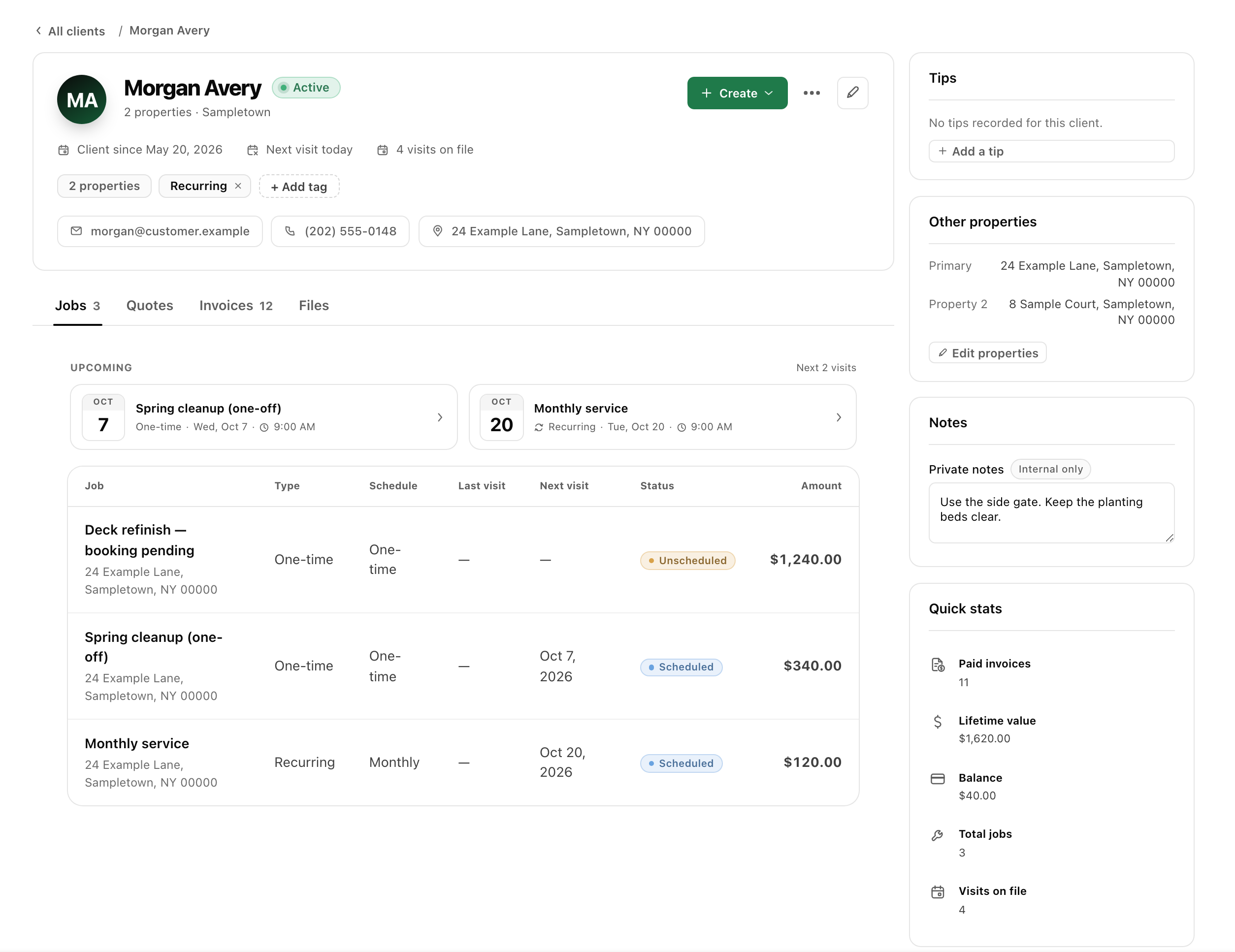
A reported problem is the starting point, not the final scope.
A customer can explain a leak or a blocked fixture without knowing the work needed to resolve it. Record the request clearly, then distinguish the assessment from the proposed repair. That gives the office, the technician and the customer a useful record of what was discussed, what was approved and what still needs a decision.
- 01
Keep the customer and property together
Record the correct service address and the customer’s description of the problem. Note who will provide access and which areas they have identified. If the person booking the appointment is different from the person approving the work, clarify that arrangement in your customer communication before sending a proposal.
- 02
Explain the initial service visit
Describe what the visit covers and how any assessment or call-out charge works under your terms. Book the agreed appointment and give the technician the relevant instructions. Keep an initial price assumption distinct from a final repair quote when important conditions are still unknown or need an on-site review.
- 03
Get approval for the proposed work
Use quote descriptions to explain the repair, included materials or services and any exclusions. If the assessment identifies a different scope, present that revised proposal for approval before treating it as agreed work. Follow the same process for an additional task requested while the technician is already at the property.
- 04
Record the visit and review the bill
Capture completed tasks and any unresolved issue in visit notes. Relevant photos can support the handoff, but should not replace a clear description. Review what the customer approved, what the team completed and what has already been billed. If a return visit is needed, state its purpose instead of leaving the office to guess.
Make three common plumbing handoffs easier to follow.
A small service call
The customer should know the service being booked and the applicable charge before the visit. Use a clear description rather than an unexplained total. The minimum-service-charge guide helps you review travel, setup and administration when deciding your own terms; it does not supply a universal call-out price.
A repair changes after assessment
Keep the original request and the revised proposal distinct. Explain what the technician found, which work is now proposed and what approval is needed. The scope-change guide provides wording for a new customer decision rather than assuming a note or a verbal request automatically approves a higher invoice.
A second visit finishes the job
Give the returning technician the outstanding tasks and relevant property context. Keep the return date, the original scope and the billing basis understandable. A second appointment may complete the same agreement or cover separately purchased work; review the terms before creating an additional charge.
Frequently asked questions
Can I send a customer a plumbing estimate to approve?
narra quotes have line items and descriptions, with a private customer approval link. Explain the proposed work, assumptions and exclusions in the version you send. If the assessment changes the scope, obtain approval for the revised proposal rather than relying on acceptance of the earlier appointment.
Can the technician see visit notes on a phone?
Assigned work is available in the Field app, with visit tasks, notes and relevant photos. Prepare the handoff before the appointment so the technician can understand the customer request and access arrangements. A clear record helps the office answer questions without depending on the technician’s personal camera roll.
Does narra provide plumbing calculations or permit management?
No specialized plumbing calculations, permit workflow or technical assessment is promised here. This page covers customer records, scope, scheduling and invoicing. Evaluate the separate professional tools and requirements your business uses during the pilot discussion, and keep technical decisions with the qualified people responsible for the work.
Can I organize repeat work for the same property?
Customer records can keep linked quotes, jobs and invoices together, and jobs can have multiple visits. Use that connection to review previous work and arrange an agreed return. Confirm whether the next visit completes existing scope or represents new work; repeat attendance alone does not settle the billing decision.